Christmas Hat Glyph Vector Icon: An Embroidery Review
First Impressions: Visual Weight and Holiday Charm
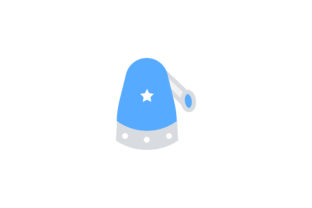
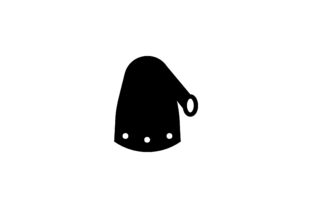
As a designer who spends countless hours digitizing and testing machine embroidery design files, my first look at the Christmas Hat Glyph Vector Icon was focused entirely on structural integrity. When evaluating Icons and Graphics for stitch-out potential, I am not just looking for festive cheer; I am analyzing line weight, negative space, and scalability. This specific glyph immediately strikes a balance between playful simplicity and professional clarity. The silhouette is distinct enough to be recognizable at small sizes, yet it possesses enough visual mass to support various stitch types without becoming a dense, bulletproof patch of thread.
The mood this design creates is undeniably nostalgic but clean. It avoids the cluttered aesthetic that often plagues holiday graphics, making it an excellent candidate for modern custom apparel and minimalist home decor. For an Etsy seller or small shop product creator, this cleanliness translates directly to perceived value. Customers are increasingly drawn to refined, boutique-style aesthetics rather than chaotic novelty prints. The vector nature of the source file suggests that the lines are mathematically smooth, which is a massive advantage when converting to a digital embroidery file. Smooth vectors mean fewer jagged edges in your final embroidered patch or garment decoration.
Real-World Application: Stitching a Custom Tote Bag
To truly understand how the Christmas Hat Glyph Vector Icon performs, I mentally walked through a recent client project involving canvas tote bags for a local holiday market. Canvas is a textured, unforgiving fabric that demands precision. If a design is too detailed, the texture swallows it; if it is too sparse, it looks unfinished. This glyph sits perfectly in the middle ground.
For this tote bag design, I envisioned utilizing a combination of techniques. The main body of the hat could utilize a fill stitch with a slightly lowered stitch density to prevent the heavy canvas from puckering. Alternatively, because the shape is so well-defined, it would function beautifully as an applique design. Using red felt for the hat body and white fleece for the brim and pom-pom would reduce stitch count significantly while adding tactile dimension that customers love. The clean lines of the vector icon make creating appliqué placement lines straightforward, ensuring crisp edges that don't fray after washing.
This versatility extends beyond bags. I can easily see this working for sweatshirt embroidery on the left chest area, where a 3-inch to 4-inch width is standard. It also scales down effectively for baby embroidery on onesies or bibs, provided you adjust the underlay to stabilize the stretchy knit fabric. For commercial embroidery businesses fulfilling bulk orders for corporate holiday parties, this design offers high recognition with low production time, maximizing profit margins without sacrificing quality.
Navigating Fabric Challenges and Technical Limits
While the Christmas Hat Glyph Vector Icon is versatile, no design is immune to physics. As an experienced reviewer, I must highlight where caution is required. The primary concern with any glyph-style graphic is maintaining legibility on difficult substrates.
- Stretchy Fabrics: When applying this to performance wear or thin knits, the risk of distortion is real. You cannot rely solely on hoop tension. A cut-away stabilizer is non-negotiable here to maintain the geometric accuracy of the hat’s shape.
- Textured Surfaces: On terry cloth towels or minky blankets, the fine details of a glyph can get lost. If you plan to use this for holiday embroidery on plush items, consider adding a water-soluble topping to flatten the pile and allow the stitches to sit on top of the fabric rather than sinking in.
- Curved Bases: If you are adapting this for cap embroidery, remember that the flat vector must be distorted to compensate for the curve of the hat. A straight horizontal line on a screen will stitch out crooked on a curved cap brim. Always test on a scrap cap before running production.
- Small Hoop Sizes: While the design is scalable, reducing it below 2 inches may cause the separation between the hat brim and the main body to disappear. Always verify the minimum size based on your machine’s needle clearance and thread thickness.
Dark fabrics present another consideration. If stitching white thread on navy velvet, ensure your underlay provides complete coverage to prevent the dark fabric from bleeding through the stitches. Conversely, on light fabrics, check that your bobbin thread doesn't show on top, especially if using a contrasting color for the outline.
Impact on Product Value and Brand Perception
In the competitive landscape of handmade goods, the difference between a hobbyist finish and a professional product often lies in the choice of artwork. The Christmas Hat Glyph Vector Icon contributes to a cohesive brand identity. Because it is a vector-based graphic, it pairs seamlessly with typography. Whether you are adding a family name for a personalized gift or a business logo for staff uniforms, the consistent line quality ensures the text and image feel like they belong together.
For digital product sellers offering printable mockups or sublimation transfers alongside physical embroidery, having the EPS, SVG, JPG, and PNG files included is a significant workflow advantage. You can create matching branding across platforms without redrawing assets. This consistency builds customer trust. When a buyer sees a polished preview that matches the actual finished product, return rates decrease and satisfaction increases. The professional presentation of this icon signals that the maker respects their craft and their audience.
Essential Designer Notes Before You Stitch
Before loading this design into your machine or listing it in your shop, adhere to these practical checkpoints to ensure success:
- Verify Licensing: The product description notes it is perfect for a variety of projects, but always confirm the specific commercial license terms regarding selling finished items versus reselling the digital file itself. Protect your craft business by knowing your rights.
- Test Stitch Density: Do not assume the default digitization matches your fabric. Run a sew-out on scrap material identical to your final project. Check if the satin stitch borders are pulling or if the fill is too rigid.
- Thread Color Contrast: Test the design in black and white mode in your software to evaluate contrast independent of color. If the hat blends into the background in grayscale, it will lack definition in thread, regardless of how vibrant your thread colors are.
- Hoop Size Confirmation: Ensure the design fits comfortably within your hoop with adequate margin for the presser foot. Crowding the hoop leads to registration errors and uneven tension.
- Mockup Validation: Use the included PNG or JPG to create realistic previews for your listings. However, always include a photo of the actual stitched sample. Digital renders cannot replicate the sheen of rayon or the matte finish of polyester thread, and customers appreciate seeing the true texture of the embroidery project.
The Christmas Hat Glyph Vector Icon is a robust, adaptable asset for any serious embroiderer or creative entrepreneur. By respecting the technical requirements of stitch translation and leveraging the clean aesthetic of the vector art, you can elevate your seasonal offerings from generic to exceptional. Whether you are crafting a bespoke handmade product or scaling up for holiday retail, this design provides a reliable foundation for festive, professional results.