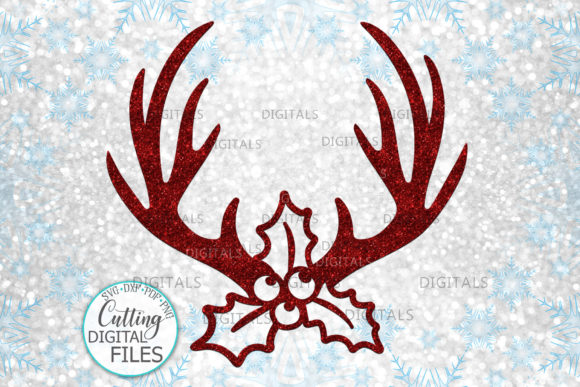
Christmas Deer Antlers Holly Berry: A Designer’s Review
When evaluating digital assets for holiday production, I always look beyond the screen preview to imagine how a graphic will translate into physical media. The Christmas Deer Antlers Holly Berry design immediately catches the eye as a versatile staple for the season. As a designer who regularly bridges the gap between digital graphics and tangible handmade products, I see this file not just as a pretty picture, but as a functional asset with specific strengths and limitations depending on your chosen medium. While the product description highlights its excellence for print, vinyl, and machine cutting, my review focuses on how this graphic performs when adapted for embroidery, apparel decoration, and mixed-media craft projects.
First Impressions and Visual Mood
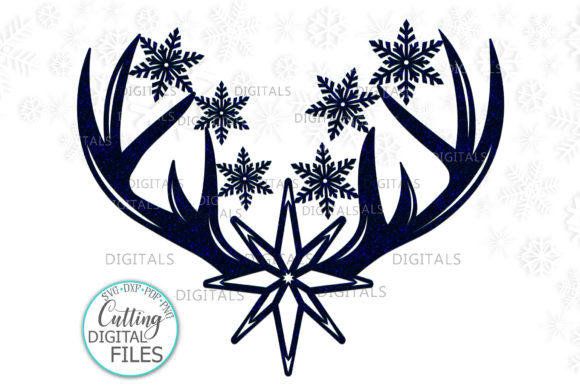
The silhouette of deer antlers intertwined with holly berries evokes an immediate sense of rustic elegance. It strikes a balance that is crucial for commercial success: it is festive without being kitschy, and detailed without being cluttered. For an Etsy seller or small shop owner, this visual personality is gold. It suggests a "woodland winter" aesthetic that pairs beautifully with natural linen textures, cream-colored sweatshirts, and kraft paper packaging.
From a layout perspective, the shape is generally triangular or shield-like, which is ergonomically friendly for placement. This geometry naturally draws the eye upward, making it ideal for center-chest placement on custom apparel or the top third of a tote bag design. However, because the antlers feature organic, branching lines, the negative space is just as important as the positive space. When using this as a base for an embroidery project, you must consider how those open areas interact with your fabric texture. Unlike a solid fill stitch logo, this design relies on line weight and flow, meaning it demands precision whether you are cutting vinyl or digitizing satin stitches.
Real-World Application: The Holiday Tote Bag Test
To truly judge the utility of Christmas Deer Antlers Holly Berry, I mentally applied it to a recent client request: a set of personalized gift totes for a corporate holiday party. The client wanted something reusable and sophisticated. This graphic was the perfect candidate, but the execution required careful planning.
If I were using this as a machine cut vinyl decal on a canvas tote, the intricate points of the holly leaves and the tips of the antlers would be my primary concern. Vinyl requires weeding, and if the digital file has nodes that are too close together, the material can tear during application. In this scenario, I would verify the vector quality before cutting. For the embroidery version of the same bag, I would treat this as an applique design or a redwork style outline. A heavy fill stitch would make the canvas bag stiff and unappealing, whereas a running stitch or light satin border maintains the drape of the fabric while showcasing the artwork. This dual-purpose nature makes the graphic highly valuable for makers who offer multiple decoration methods on the same blank product.
Performance Across Different Substrates
Versatility is the hallmark of a profitable digital embroidery file or graphic asset. Here is how Christmas Deer Antlers Holly Berry holds up across various popular crafting categories:
- Sweatshirt Embroidery: On fleece or French terry, the design needs breathing room. Thick fabrics can swallow fine details. If adapting this graphic for stitching, ensure the antler branches are wide enough to support a column of thread without tunneling.
- Mugs and Tumblers: As noted in the product specs, this is perfect for print and vinyl. The curved surface of a tumbler actually complements the arch of the antlers. Just ensure the holly berries don't distort when wrapped around a small diameter cup.
- Wood Signs and Acrylic Blanks: The high contrast potential here is excellent. Laser engraving or painting this design onto wood allows the grain to show through the negative space, enhancing the rustic mood.
- Baby Embroidery: Proceed with caution. While adorable on nursery decor or pillow covers, the sharp points of the antlers may need softening if used on clothing for infants to prevent any scratchiness from dense stitching or vinyl edges.
Navigating Technical Limitations
No design is without its challenges, and professional judgment means knowing where Christmas Deer Antlers Holly Berry might struggle. Small hoop sizes are the first red flag. If you attempt to shrink this complex illustration down to a 2-inch embroidered patch, the holly berries may turn into indistinguishable blobs, and the antler tines could merge. Always respect the minimum size requirements of the specific file format you are working with.
Fabric texture also dictates success. On highly textured materials like terry cloth towels or chunky knits, the fine details of this graphic can get lost. You would need to use a heavier stabilizer and perhaps a topping to keep the stitches crisp. Conversely, on thin or stretchy fabrics like jersey knit t-shirts, a dense version of this design could cause puckering. In those cases, utilizing the graphic as a guide for lightweight applique rather than direct high-density stitching preserves the garment's integrity.
Dark fabrics present another consideration. If the original graphic is optimized for white paper or light vinyl, inverting it for black sweatshirts requires checking line weights. Thin white lines on dark backgrounds can sometimes appear thicker due to optical illusion or thread spread, potentially altering the delicate balance of the antler proportions.
Designer Notes for Professional Results
Before listing a finished product featuring Christmas Deer Antlers Holly Berry in your shop, run through this practical checklist to ensure quality and avoid customer returns:
- Test Stitch or Cut First: Never assume a digital file is production-ready out of the box. Run a test on scrap fabric similar to your final project. Check if the registration marks align and if the detail level survives the transfer process.
- Evaluate Contrast: View the design in grayscale. If the antlers and berries rely solely on color difference rather than value contrast, the design will fail on monochromatic items or in low-light photography. Adjust thread colors or vinyl layers to ensure readability.
- Check Licensing for Commercial Use: The product description mentions suitability for various goods, but always confirm the specific license terms regarding selling finished items versus reselling the digital file itself. Protecting your business starts with respecting intellectual property.
- Mockup Realistically: When creating printable mockups for your Etsy listings, place the design on photos that match the actual scale. Showing a massive deer head on a tiny baby onesie creates false expectations. Accurate representation builds buyer trust.
- Stabilizer Selection: Match your backing to the fabric, not just the design. For this specific graphic, which likely combines curves and points, a cut-away stabilizer often provides better long-term shape retention on apparel than tear-away options.
Enhancing Product Value and Brand Consistency
Ultimately, Christmas Deer Antlers Holly Berry is more than a seasonal decoration; it is a tool for building brand recognition. When used consistently across your holiday collection—appearing on tags, packaging, and the main merchandise—it creates a cohesive shopping experience. Customers recognize the motif and associate it with your shop's specific style of craftsmanship.
For creative entrepreneurs, this graphic offers a chance to demonstrate expertise. By adapting it thoughtfully—perhaps adding a monogram nestled within the antlers or combining it with textured velvet ribbon—you elevate a standard digital asset into a unique handmade product. Whether you are producing commercial embroidery runs or single personalized gifts, treating this design with technical respect ensures the final result honors both the artistry of the original graphic and the skill of your own hands. Always verify file compatibility and specifications before beginning, as these technical foundations are what separate hobbyist attempts from professional-grade creations.